The salary offer looks spectacular. Seven thousand francs a month, maybe more. Before you sign anything or book a flight, sit down with a calculator — because Switzerland is a country where both sides of the ledger are unusually large. The good news: with realistic numbers, you can judge very precisely whether the move pays off for you. Here they are.
Start with the salary side
The Swiss median gross wage was 7,024 francs per month in 2024, according to the Federal Statistical Office's wage structure survey published in spring 2026. Half of all full-time employees earn more, half less. If your offer is well below that for a skilled role, ask questions — Swiss salaries are high because Swiss costs are high, and the two are meant to travel together.
Health insurance: the cost almost everyone underestimates
This is the line item that surprises newcomers most. Health insurance in Switzerland is mandatory, individual and not paid by your employer. Every adult pays their own premium, every child needs their own policy, and you must take out basic insurance within 3 months of taking up residence — cover and premiums then apply retroactively from day one.
The numbers: in 2026 the average monthly premium across all insured people is 393.30 francs, and for adults it averages 465.30 francs (Federal Office of Public Health, September 2025). For a family of four with two adults and two children, that's easily over 1,100 francs a month before anyone has seen a doctor.
And it keeps moving. A market forecast published in May 2026 expects premiums to rise by around 3.7 percent for 2027; the federal health office publishes the definitive 2027 premiums at the end of September 2026. Premiums also vary considerably by canton — where you settle changes what you pay.
Rent: budget more than the statistics say
The Federal Statistical Office's last structural survey put the average net rent in Switzerland at 1,373 francs per month, and 1,578 francs for a four-room flat (as of 2020). Treat those as a floor, not a forecast: asking rents for flats currently on the market — especially in Zurich, Geneva, Zug, Lausanne and Basel — are typically far above the average paid by long-term tenants, and vacancy remains tight. If you're moving to a city, checking live listings for your target neighbourhood beats any national average.
Taxes: deducted at source, different in every canton
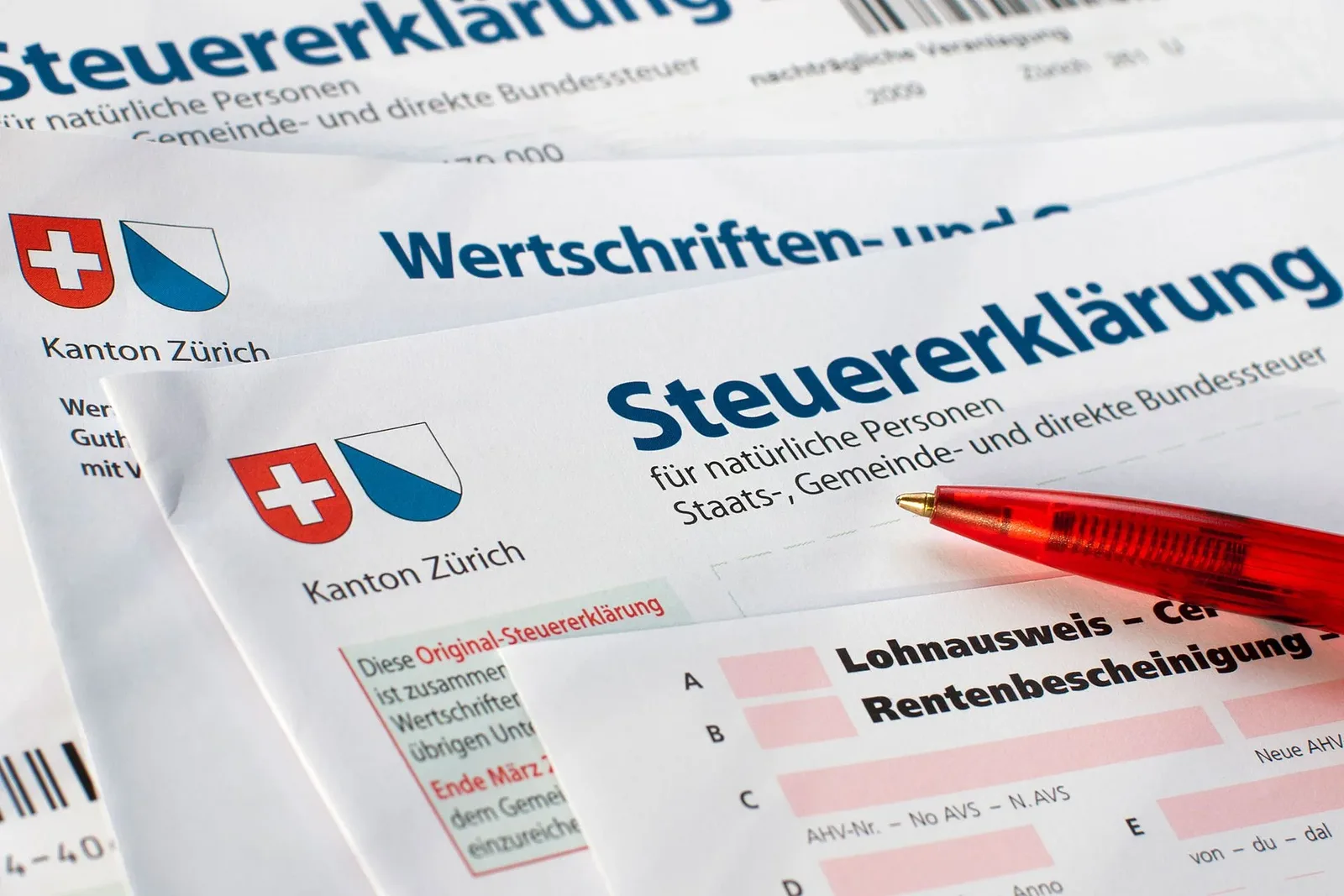
As a foreign employee without a C permit, income tax is usually withheld directly from your salary. The rate depends heavily on your canton, your income and your family situation — there is no single Swiss tax rate. If you later want deductions considered, note the deadline: a request for subsequent ordinary assessment must be filed by 31 March of the following year. Your cantonal tax office is the authoritative source for your situation.
A rule of thumb before you decide
- Add up rent (from live listings, not averages), health premiums per family member, and an estimate of tax at source for your canton.
- Compare against the net figure your employer quotes — and ask them to show social deductions (AHV, pension fund) separately.
- Remember the administrative clocks: register with your commune within 14 days of moving in (8 days in canton Vaud), health insurance within 3 months.
The honest summary: Switzerland is expensive, but rarely unaffordable for people who arrive with a Swiss-level salary and a realistic budget. The people who struggle are the ones who budgeted with the salary alone.
If your numbers work on paper with conservative assumptions, they will usually work in practice — and everything that comes after the decision, from permits to flat hunting, is a solvable, step-by-step process.
Sources: Federal Statistical Office (wage structure survey 2024; rent structure survey 2020), Federal Office of Public Health (2026 premiums, Sept 2025), Comparis premium forecast (May 2026), ch.ch · Status: 2026-08-11 · This article was written with AI support.